If you’ve ever looked up at a plane and thought, “That should be me up there,” you’re not alone. Thousands of aspiring aviators dream of becoming commercial pilots—but the journey begins with one crucial step: gaining admission to a reputable pilot training academy. Whether you’re fresh out of school or making a career switch, preparing for this milestone requires clarity, commitment, and a bit of insider know-how.
Let’s walk through everything you need to know to get ready for admission into a pilot academy—and how to make sure your dream doesn’t just take off, but truly soars.
What a Pilot Training Academy Offers?
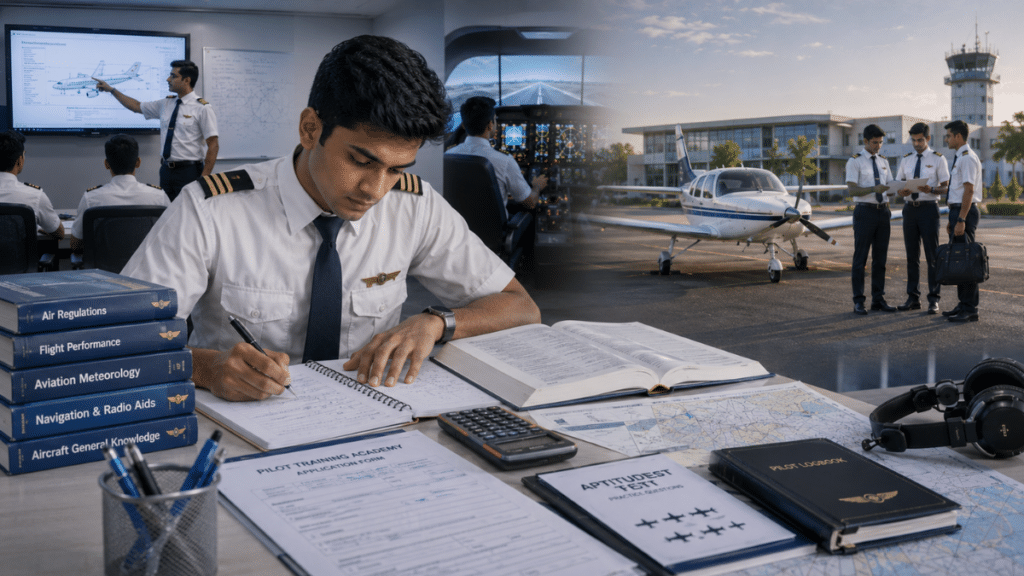
Before diving into applications, take time to understand what a pilot training academy really does. It’s more than just flying lessons—it’s a complete training environment that prepares you mentally, physically, and technically to become a professional pilot.
A good pilot academy provides three essential components:
- Ground Training – Covers theory, including meteorology, navigation, and air regulations.
- Simulator Training – Builds your understanding of aircraft systems in a safe, controlled setup.
- Flight Training – Gives you actual flying experience under certified instructors.
When you know what to expect, you can prepare better and choose an academy that aligns with your goals.
Meet the Academic Requirements
Most pilot training academies require students to have completed 10+2 education with Physics and Mathematics. These subjects are essential because they help you understand the core principles of flight.
If you’re still in school, focus on these two subjects. If you’ve already graduated but lack one of them, don’t worry—many pilot academies accept equivalent certifications or additional exams that fulfill this requirement.
A strong academic base ensures you’re not overwhelmed once training begins.
Pilot Potential: Are You Cleared to Begin?
To become a pilot, academic knowledge alone isn’t enough. You’ll also need to meet the medical standards set by aviation authorities. Before applying to a pilot training academy, schedule your DGCA Class 1 medical examination with an approved medical examiner.
This test evaluates your eyesight, hearing, cardiovascular health, and overall physical condition. A clear medical record ensures that you can safely handle the physical and mental demands of flying.
A great tip? Start with a Class 2 medical test before moving to Class 1—it’s a good way to identify any concerns early and save time later.
Level Up for the Entrance Test
Every pilot academy has its own admission process. Some require written tests, while others conduct aptitude and psychometric evaluations. The goal is to assess your analytical ability, decision-making skills, and presence of mind.
Here are a few areas to focus on:
- Numerical reasoning and problem-solving
- Spatial awareness
- Hand-eye coordination
- English comprehension
Practice sample papers and online aptitude tests. You can even find aviation-specific test simulations to familiarize yourself with the process. Remember, the goal is not perfection but confidence—knowing how to stay composed and think clearly.
Unlock the Art of Communication
English is the universal language of aviation. From radio calls to flight manuals, everything is standardized in English. Therefore, communication skills play a vital role during both your admission process and your career.
You can prepare by:
- Listening to aviation podcasts or ATC recordings.
- Practicing mock interviews with friends or mentors.
- Reading aviation journals and news articles to build vocabulary.
- Being able to express yourself clearly and confidently makes a strong impression during interviews at any pilot training academy.
Research Different Pilot Training Academies
Not all pilot training academies are the same. Each has its own training style, fleet, instructors, and infrastructure. Make a list of accredited academies and study what sets them apart.
Here’s what you should check:
- Whether the academy is DGCA-approved
- The type of aircraft used for training
- Availability of simulator facilities
- Instructor experience and student-instructor ratio
- Reviews and testimonials from past students
Financial Planning Matters
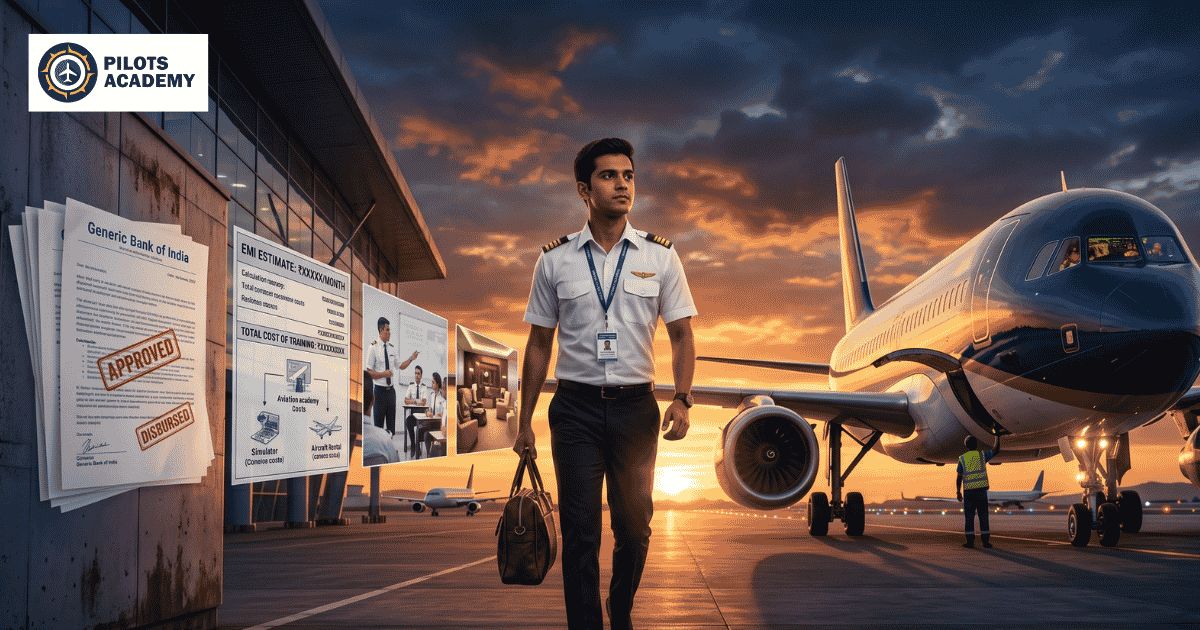
Training to become a pilot is a major investment. A full Commercial Pilot License (CPL) program can range from ₹30–50 lakhs, depending on the pilot training academy.
Before applying, explore your financial options. Some academies have tie-ups with banks or offer installment-based payment plans. Others may assist you with scholarships or airline sponsorship programs.
Plan your finances early to avoid stress later—you’ll need your focus in the cockpit, not on paperwork.
Prepare for the Interview
Your interview at the pilot training academy is your chance to show who you are beyond academics. Be ready to talk about why you want to become a pilot, what you know about aviation, and what motivates you to pursue this career.
Be honest and personal in your answers. Interviewers appreciate authenticity over rehearsed lines. If you can convey your genuine passion for aviation, it will set you apart.
Build a Fitness Routine
Physical stamina plays a big role in flying. Long hours, irregular sleep schedules, and varying climates can challenge your body.
Start building healthy habits early—exercise regularly, eat balanced meals, and get enough rest. A fit body supports a sharp mind, which is crucial for anyone in aviation training.
Pilots Academy: Launch, Learn, Lead
At Pilots Academy, your dream of flight is nurtured with structure, mentorship, and precision. The academy focuses on building confident, capable pilots who are ready for real-world aviation challenges. With a fleet of well-maintained aircraft, DGCA-approved facilities, and a team of seasoned instructors, every student gets hands-on experience and technical depth.
What sets Pilots Academy apart is its holistic approach. From helping students prepare for admissions and medical clearances to offering simulator sessions and CPL training, the academy ensures complete guidance at every step. The programs are designed not just to meet industry standards but to exceed them—helping students transition smoothly from classroom to cockpit.
By joining Pilots Academy, you gain more than a license—you gain a mentor network, confidence in your abilities, and a foundation strong enough to carry your aviation career anywhere in the world.