Ever watched a fighter jet tear across the sky during an air show and thought, “That could be me”? You’re not alone. Thousands of aspiring aviators dream of strapping into an F-35 or F-16, but here’s the reality: fewer than 1,000 pilots earn their fighter wings each year across all U.S. military branches. The competition is fierce, the training is brutal, and the commitment is significant. But if you’re serious about understanding how to become a fighter pilot, you’re already taking the first step that separates dreamers from doers.
The journey to becoming a fighter pilot isn’t just about loving airplanes or wanting to fly fast. It’s a multi-year commitment that tests every aspect of who you are as a person, student, athlete, and leader. Whether you’re currently enrolled in ground school building your aviation foundation or you’re a high school student mapping out your future, understanding this path clearly will help you make informed decisions about one of the most demanding yet rewarding careers in aviation. Let’s break down exactly what it takes, what you’ll face, and how you can start preparing today.
What Does a Fighter Pilot Actually Do?
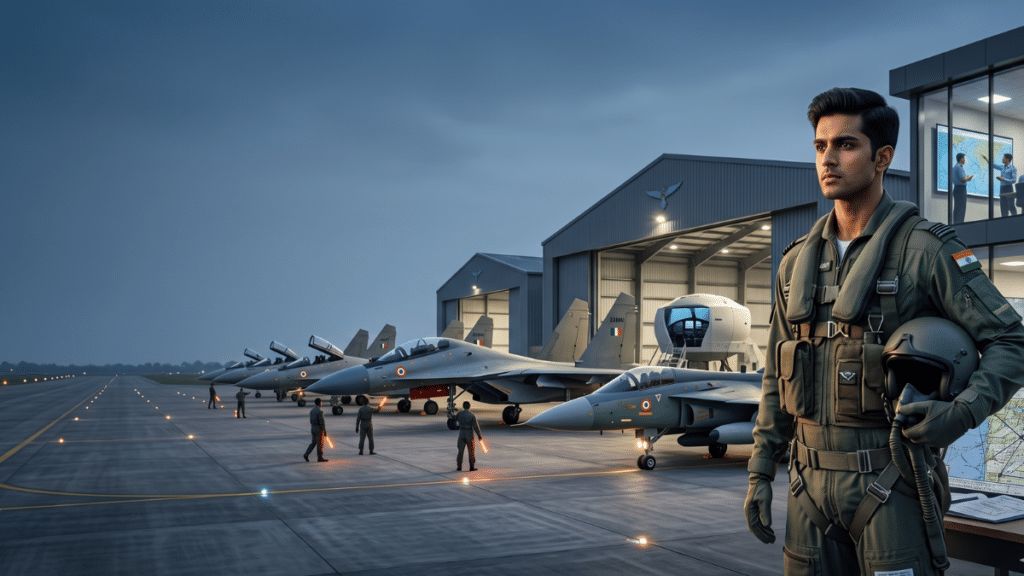
Before diving into how to become a fighter pilot, let’s talk about what the job actually involves. Fighter pilots aren’t just skilled aviators; they’re tactical operators who execute complex combat missions. On any given day, you might fly air superiority missions protecting friendly airspace, conduct precision strikes against ground targets, perform reconnaissance operations, or engage in air-to-air combat training.
The modern fighter pilot operates some of the world’s most advanced aircraft. The F-22 Raptor dominates air-to-air combat with stealth capabilities. The F-35 Lightning II represents fifth-generation multi-role capabilities. The F-16 Fighting Falcon remains a versatile workhorse, while the F-15 Eagle continues to excel in air superiority roles. Each platform requires specialized training and brings unique mission capabilities.
Beyond flying, fighter pilots spend hours in mission planning, intelligence briefings, debriefings, and maintaining peak physical condition. The lifestyle demands constant learning, adaptation, and teamwork. You’ll work within a squadron culture that values both individual excellence and collective success.
Basic Requirements to Become a Fighter Pilot
Let’s get practical. The Air Force has specific requirements that are non-negotiable. First, you must be a U.S. citizen capable of obtaining a top-secret security clearance. Age requirements typically fall between 18 and 33 years old, though waivers exist in certain circumstances.
Education is critical. You’ll need a bachelor’s degree from an accredited institution. While any major works, STEM fields (science, technology, engineering, mathematics) often give candidates an edge because they demonstrate analytical thinking skills crucial for aviation.
Physical standards are stringent. You’ll need to pass a rigorous flight physical, meeting specific height and weight proportions. Vision requirements have evolved over the years. While perfect 20/20 uncorrected vision was once mandatory, corrective surgery like PRK or LASIK is now acceptable in many cases, provided your eyes meet post-surgery standards.
You’ll take the Air Force Officer Qualifying Test (AFOQT), which assesses verbal and quantitative skills, spatial awareness, and aviation knowledge. High scores here significantly boost your chances. Physical fitness isn’t optional either. You’ll need excellent cardiovascular endurance, strength, and the ability to handle high G-forces during flight.
Background checks are thorough. Any criminal history, drug use, or financial irresponsibility can disqualify you. The Air Force needs officers who demonstrate sound judgment consistently.
Educational Paths: Getting Your Commission
Understanding how to become a fighter pilot means knowing how to become an Air Force officer first. There are three primary commissioning paths, each with distinct advantages.
U.S. Air Force Academy in Colorado Springs offers a four-year program combining rigorous academics with military training. Admission is highly competitive, requiring congressional nominations. The advantage? Nearly 60% of Academy graduates who want pilot slots receive them. You’ll graduate as a second lieutenant with zero debt and a built-in network.
ROTC (Reserve Officer Training Corps) lets you attend a civilian university while completing military training alongside your degree. You’ll take aerospace studies courses, participate in physical training, and attend summer field training. Pilot slot allocation depends on national needs and your performance, typically ranging from 20-40% of qualified cadets depending on the year.
Officer Training School (OTS) is the post-graduate route for those who discovered military aviation after earning their degree. This nine-week intensive program commissions you as an officer, but pilot slots are extremely limited and competitive. This path works best if you have exceptional qualifications, flight experience, or specialized skills the Air Force needs.
The Fighter Pilot Training Pipeline
Once commissioned and selected for pilot training, the real work begins. The Air Force pilot training pipeline is deliberately designed to build skills progressively while identifying who has what it takes to fly fighters.
Initial Flight Training (IFT) screens candidates through basic flying in small aircraft. You’ll earn approximately 20 flight hours learning fundamental stick-and-rudder skills. If you already have a private pilot license from programs like those we offer at Pilots Academy, you’ll likely skip this phase, giving you a head start.
Undergraduate Pilot Training (UPT) lasts about 12 months. You’ll start in the T-6 Texan II, mastering basic and advanced contact flying, instrument procedures, and low-level navigation. After demonstrating proficiency, students track select based on performance and Air Force needs. The fighter track means transitioning to the T-38 Talon, a supersonic trainer where you’ll learn formation flying, advanced aerobatics, and tactical maneuvering.
Introduction to Fighter Fundamentals (IFF) bridges the gap between training aircraft and operational fighters. Here, you’ll fly the T-38 or AT-38 while learning basic fighter maneuvers, surface attack tactics, and defensive counter-air operations. This phase introduces the fighter pilot mindset: aggressive, precise, and tactically sound.
Fighter Training Unit (FTU) provides aircraft-specific training. Once you’re assigned to a platform like the F-16 or F-35, you’ll spend 6-9 months learning every system, emergency procedure, and tactical employment method for your jet. This isn’t just learning to fly the aircraft but mastering it as a weapons system.
Finally, Mission Qualification Training at your operational squadron makes you combat-ready. You’ll integrate into your unit, learn squadron-specific tactics, and upgrade your qualifications through increasingly complex missions.
Physical and Mental Preparation Tips
Starting preparation early dramatically improves your odds. Physical fitness should begin now, not when you receive orders. Focus on cardiovascular endurance through running and swimming. Build core strength to handle G-forces better. Practice spatial awareness through activities like martial arts, competitive sports, or even video games that require quick decision-making and hand-eye coordination.
Mental preparation matters just as much. The training pipeline moves fast, with overwhelming amounts of information to absorb. Develop strong study habits now. If you’re in ground school learning aerodynamics, weather theory, and navigation, you’re already building knowledge that directly applies to military flight training. Understanding airspace, regulations, and aircraft systems gives you a foundation others will struggle to build from scratch.
Stress management techniques become crucial. Breathing exercises, visualization, and maintaining composure under pressure aren’t just helpful; they’re survival skills when you’re pulling Gs in a combat maneuver or dealing with an in-flight emergency.
What Really Sets Successful Candidates Apart
The Air Force doesn’t just select the best pilots; they select the best officers who happen to fly. Leadership experience matters enormously. Volunteer in your community, lead projects at work or school, and demonstrate you can inspire and manage others.
Academic performance counts heavily. Your GPA signals discipline, intelligence, and work ethic. A 3.5 or higher makes you competitive, though exceptions exist for candidates with exceptional leadership or athletic achievements.
Flight hours help, though they’re not mandatory. Earning a private pilot certificate demonstrates commitment to aviation and gives you a significant advantage during training. We’ve seen students who completed our comprehensive flight training programs excel during UPT because they weren’t starting from zero.
The “whole person concept” means the Air Force evaluates everything: academics, leadership, fitness, extracurriculars, and character. One weak area can be compensated by exceptional strength elsewhere, but you need a well-rounded package.
Attitude matters more than many realize. Instructors watch for coachability, humility balanced with confidence, and genuine passion for service. Arrogance washes people out faster than skill deficiencies.
Timeline and Commitment: What to Expect
Let’s be honest about time investment. If you’re starting from high school, you’re looking at roughly 10-12 years before you’re flying operational combat missions. Four years for your commission (Academy or ROTC), one year for UPT, six to nine months for fighter-specific training, and time to become mission-qualified in your squadron.
The service commitment is typically ten years from the day you earn your wings. That’s ten years of active duty service, which means you’ll likely serve 12-15 years total when including training time. This isn’t a short-term career decision; it’s a significant portion of your adult life.
What if you don’t make it? Attrition happens. Some students wash out due to airsickness that won’t resolve. Others struggle with the academic load. Some realize fighter aviation isn’t what they want after experiencing it. The Air Force will typically reassign you to other aircraft (cargo, tankers, bombers) or to a different officer career field. It’s not failure; it’s finding where you fit best in the service.
Alternative Paths and Related Opportunities
The Air Force isn’t the only route to fighter cockpits. Air National Guard and Reserve units fly fighters part-time, though these positions are often harder to secure because units typically hire from within their communities. You’ll know your future squadron before training begins, which appeals to many pilots.
Navy and Marine Corps fighter programs offer similar careers with different approaches. Navy pilots operate from carriers, adding the challenge of shipboard aviation. Marine Corps aviators focus heavily on close air support for ground troops. Each service has distinct cultures and mission sets worth researching.
For those who complete military service, civilian aviation offers lucrative careers. Airlines highly value fighter pilot experience. Some transition to test pilot schools, aerospace companies, or flight instruction, sharing their expertise with the next generation.
Getting Started Today: Action Steps
If you’re serious about this path, start now. Focus on academic excellence, especially in technical subjects. Pursue leadership roles wherever possible, whether in sports, clubs, work, or volunteer organizations.
Begin a structured fitness program. Running, swimming, and functional strength training prepare your body for the physical demands ahead. Research the medical requirements and address any correctable issues like vision correction surgery while you have time.
Consider earning a private pilot certificate. Programs like ours at Pilots Academy provide foundational aviation knowledge and skills that directly translate to military training. Understanding basic aerodynamics, navigation, and aircraft systems gives you a massive head start. We’ve trained numerous students who went on to successful military careers, and that aviation foundation consistently makes a difference.
Connect with military recruiters early, but also seek out current and former fighter pilots willing to share insights. Attend air shows, visit Air Force bases during open houses, and ask questions. Join aviation organizations, participate in Civil Air Patrol, or get involved with local flying clubs.
Build your foundation methodically. Every ground school lesson, every flight hour, and every leadership experience adds to your competitive package.
Conclusion
Learning how to become a fighter pilot isn’t about finding a shortcut or an easy path, because none exist. It’s about understanding the journey ahead and deciding whether you’re willing to commit everything necessary to succeed. The process will test you academically, physically, mentally, and emotionally. You’ll face setbacks, doubt yourself, and wonder if it’s worth it. But for those who persevere, few careers offer the challenge, responsibility, and pure exhilaration of tactical aviation.
At Pilots Academy, we understand this journey because we’ve helped prepare countless students who’ve gone on to military aviation careers. While we can’t guarantee you’ll fly fighters, we can give you the strongest possible foundation in aviation knowledge and skills. Our comprehensive ground school programs, flight training, and instructor expertise position you to compete at the highest levels.
The question isn’t whether you want to become a fighter pilot. Lots of people want that. The real question is: are you willing to do what it takes? If your answer is yes, start today. Build your foundation, pursue excellence in everything you attempt, and never stop working toward your goal. We’re here to help you take those first critical steps. Your journey to the fighter cockpit begins with the decision to start, and there’s no better time than right now.
Ready to build your aviation foundation? Explore our flight training programs and ground school courses designed to prepare you for whatever aviation career you choose, whether that’s military fighters, commercial airlines, or anything in between. Let’s get you started.Retry
Frequently Asked Questions
Can you become a fighter pilot with glasses?
Yes, you can become a fighter pilot with corrective lenses, but there are limits. Your uncorrected vision must be no worse than 20/70 in each eye, correctable to 20/20. Many pilots undergo PRK or LASIK surgery, which the Air Force now accepts. You’ll need to wait a specified recovery period post-surgery and meet all post-operative vision standards. Consult with an Air Force flight surgeon early if you have vision concerns, as requirements occasionally update.
How hard is it to become a fighter pilot?
Extremely hard. Less than 1% of Air Force officers become fighter pilots. You’re competing against the top candidates nationwide. Beyond meeting basic requirements, you need exceptional academics, leadership, fitness, and either luck or standout performance in timing and selection. Even among pilot training graduates, only 25-38% track fighters depending on Air Force needs and class performance. It’s achievable but demands total commitment.
Do fighter pilots need a college degree?
Yes, a bachelor’s degree from an accredited institution is absolutely required. There are no exceptions. The Air Force commissions you as an officer first, and all officers must hold degrees. While your major doesn’t have to be aviation-related, STEM degrees (engineering, physics, mathematics, computer science) tend to perform slightly better in selection statistics because they demonstrate analytical skills crucial for tactical aviation.
What disqualifies you from being a fighter pilot?
Several factors can disqualify candidates: failing to meet height/weight standards (typically between 5’4″ and 6’5″), certain medical conditions including heart problems or chronic issues, insufficient vision that can’t be corrected to standards, criminal history or drug use, poor credit or financial irresponsibility, and inability to obtain security clearance. Mental health issues requiring ongoing medication often disqualify candidates. Age limits (typically 33 for initial entry) also eliminate some applicants.
How long does it take to become a fighter pilot?
From starting your commission to flying operational combat missions, expect 5-7 years minimum. This includes four years for your degree (if attending the Academy or ROTC), 12 months for Undergraduate Pilot Training, 6-9 months for fighter-specific training, and additional time becoming mission-qualified in your operational squadron. If you already have a degree and enter through OTS, you might shave off some time, but the training pipeline itself remains lengthy.
Is 30 too old to become a fighter pilot?
Age 30 is pushing the limits but not impossible. The Air Force typically requires you to commission before age 35 and begin pilot training before age 33, though waivers exist. The challenge isn’t just meeting age requirements but competing against younger candidates and handling the physical demands of training. If you’re 30 and serious about this path, you need to move immediately, have an exceptional application package, and be in peak physical condition. Many 30-year-olds successfully complete training, but you’re racing the clock.
Can fighter pilots have families?
Absolutely. Many fighter pilots are married with children. However, the career demands significant time and creates unique challenges. Training requires extended absences. Operational squadrons deploy regularly. Mission planning, alert duty, and exercises fill schedules. Successful fighter pilot families build strong support systems, communicate openly about challenges, and understand the military lifestyle demands flexibility. It’s absolutely doable but requires commitment from everyone in the family.