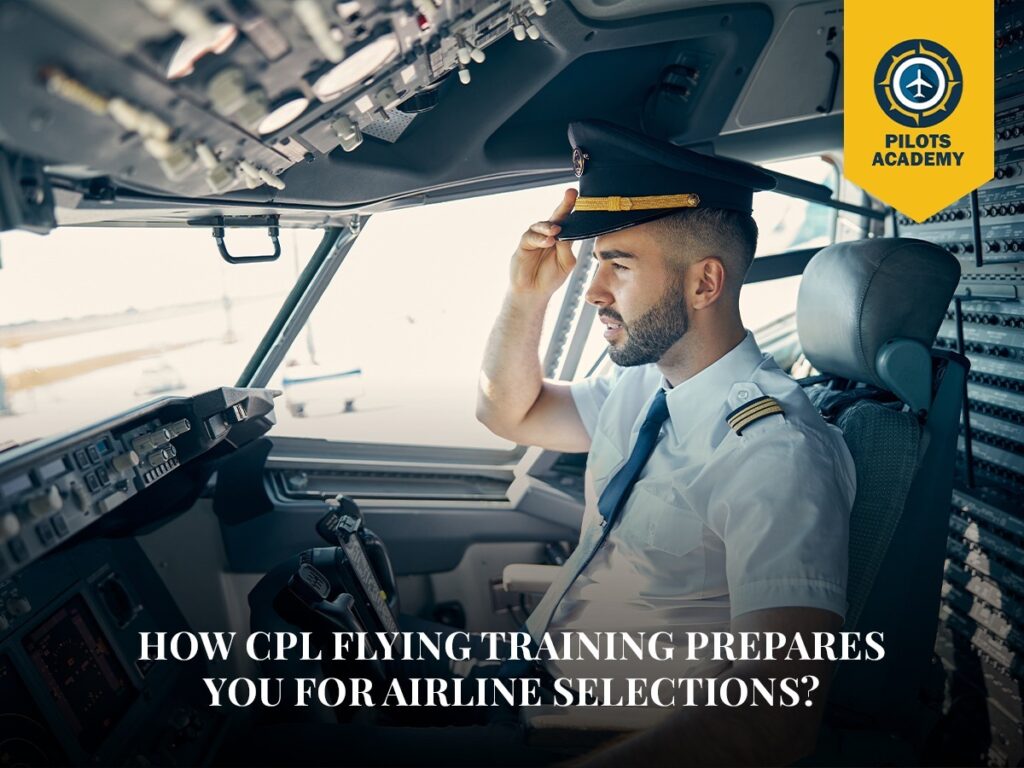
If you speak to any airline pilot about the early days of their journey, they will often point to one stage that shaped them more than anything else. It is the long stretch between obtaining a student license and stepping into a cockpit as a professional. This stage is where skills mature, confidence forms, and habits settle. And at the heart of it lies CPL Flying training.
For anyone aiming to join an airline, it is natural to wonder how this training influences the selection process. What does it actually prepare you for? Why does it matter so much? And how does it shape the way you approach the cockpit?
Let us look closely at how this phase of learning plays a direct role in your readiness for airline selections.
Strong Technical Base for Airline Interviews
When you walk into an airline selection room, you are often asked questions about aircraft systems, weather, procedures, and navigation. These questions are not meant to test obscure details. They are meant to check whether your basics are sound and whether you can apply them calmly. CPL Flying training plays a central role here. It gives you clear, structured exposure to real-world flying and strengthens every concept you later use in interviews.
During training flights, you handle weather changes, deal with radio calls, and manage aircraft performance. These experiences allow you to answer interview questions with confidence because you have seen these moments unfold in the air, not just in books. The ability to recall real flying situations rather than memorized lines often becomes a quiet advantage during interviews.
Sharpening Situational Awareness
Airlines place great importance on situational awareness. This is a skill that cannot be rushed. It grows slowly, through repeated practice in different flying conditions. CPL Flying Training offers that environment.
You learn to track wind, traffic, terrain, and aircraft behavior all at once. You learn to anticipate rather than react. You gain the habit of scanning, thinking, and planning ahead. During airline simulator assessments, these habits show clearly. The selectors look for pilots who do not get overwhelmed when multiple tasks come together. If you have trained well, the patterns become familiar. You carry the calmness from your training into the exam hall.
Building the Right Flying Discipline
Airline flying demands strong discipline. Procedures must be followed carefully, decisions must be made with logic, and actions must be consistent. CPL training in India shapes this mindset from the beginning.
Your instructors check your logs, evaluate your checklists, and teach you to respect standard procedures. You may not realise it at first, but this habit of doing things the right way becomes a part of your flying personality. When airlines assess candidates, they observe how you move through checklists, how you brief a task, and how you communicate. These clues show them who has a disciplined foundation and who still needs structure.
Confidence in Radio Telephony
Clear radio communication is an essential part of airline operations. Many candidates feel anxious about RT during selections, and that is natural. But CPL Flying training helps reduce this anxiety. Day after day, you speak with ATC, handle instructions, repeat clearances, and manage unexpected calls.
This ongoing practice builds comfort. You begin to understand the rhythm of communication. You learn when to speak, what to say, and how to remain calm even when the frequency is busy. When you sit for airline RT tests, this confidence reflects in your tone and timing.
Exposure to Real Flight Challenges
Airlines look for pilots who can handle pressure without losing clarity. Real flying gives you this ability. CPL Flying training brings you face-to-face with multiple small challenges. A sudden weather shift, a crosswind landing, a long flight, or a busy circuit pattern teaches you to stay steady.
These real experiences help you stay composed during airline simulator evaluations. You may not have seen the exact scenario before, but you have seen similar challenges. Your reactions are more stable. You do not rush. You do not panic. You think clearly and work step by step.
Professional Attitude and Cockpit Mindset
Airlines choose not only skilled pilots but also responsible professionals. Attitude plays a large role in selections. CPL Flying training teaches punctuality, preparation, and respect for safety. These qualities arise through regular flying checks, instructor feedback, and operational discipline.
When selectors meet a candidate, they notice how the person greets, how they carry documents, how they approach tasks, and how they respond to questions. These small cues signal whether the candidate is already aligned with airline culture. A strong training background helps you develop this mindset without forcing it.
Familiarity with Simulator-Based Assessments
Most airlines conduct simulator assessments as part of their selection process. Candidates often worry about these sessions because the cockpit layout and handling may differ from the aircraft they trained on. But CPL Flying training reduces this fear. The training brings familiarity with instruments, engine handling, attitude flying, and procedural flow.
Even if the simulator is new to you, your core flying sense remains stable. You understand pitch, power, and configuration. You know how to maintain altitude, manage headings, and stay ahead of the aircraft. This gives you a solid advantage during assessments.
Structured Path to Airline Readiness
If you look at the entire journey, you will see that CPL training in India prepares you in many layers. It gives you technical knowledge, practical confidence, and operational discipline. It builds your communication, strengthens your judgment, and shapes your professional personality. Each of these qualities plays a visible role during airline selections.
The training does more than help you pass an exam. It helps you grow into the kind of pilot airlines trust.
How Pilots Academy Guides Your First Big Step?
Pilots Academy brings a clear and focused path to CPL Flying training. Every lesson is built around real flying skills, steady discipline, and the habits airlines look for. Students learn in an environment that builds confidence, sharpens communication, and strengthens judgment in the cockpit.
With guided flight hours and instructors who understand the demands of commercial aviation, you move forward with purpose and a sense of direction. If you want a training journey that prepares you for the seat you dream of, this is where that path begins to feel real.