

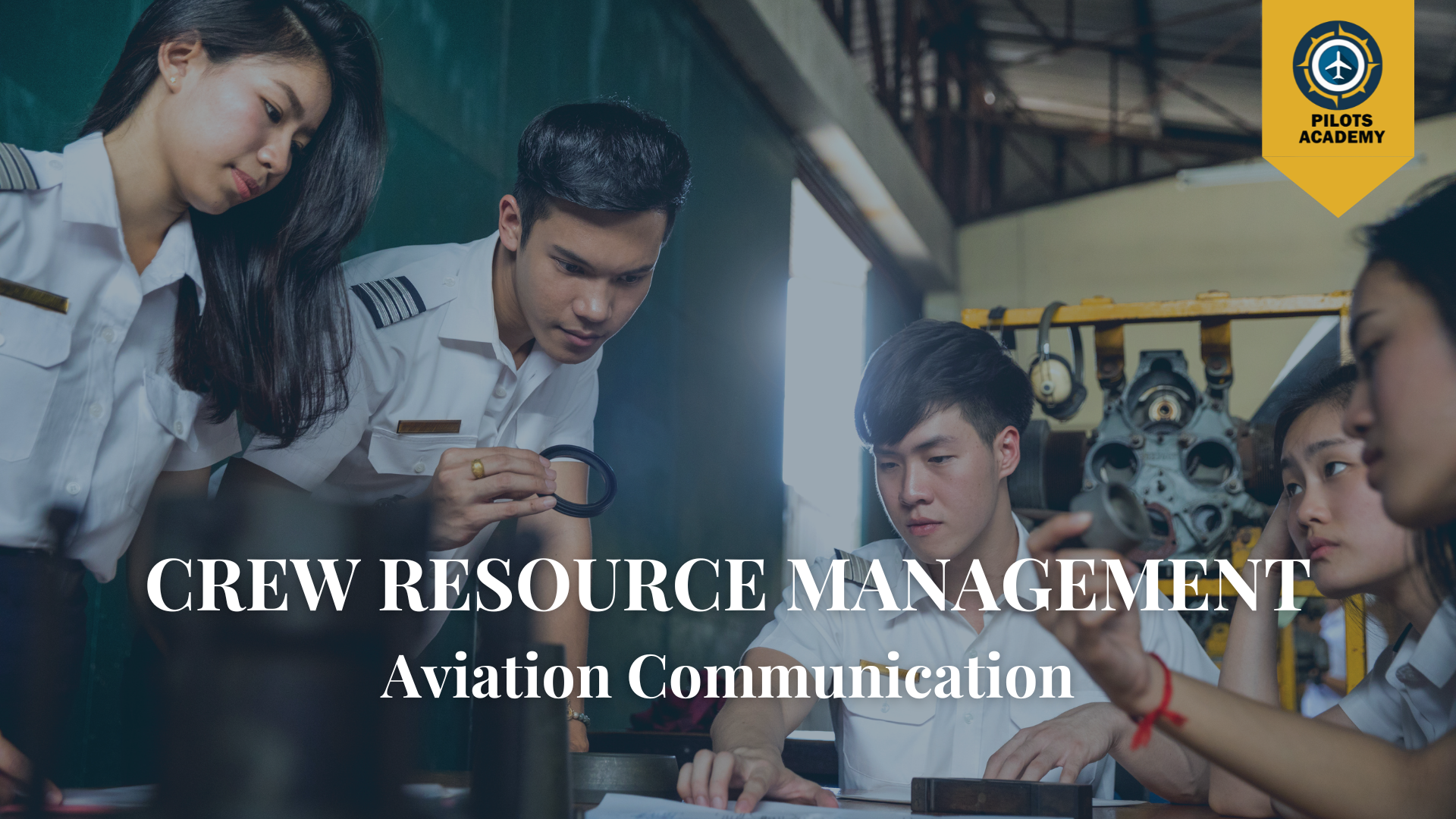
Picture this: You’re in the cockpit during your first multi-crew training flight, and something doesn’t feel right about the approach. Your gut tells you to speak up, but the captain seems confident. Do you stay quiet to avoid looking foolish, or do you voice your concern? This exact scenario has played out countless times in aviation history, and the outcomes have shaped how we think about cockpit communication today.
Here’s a sobering statistic that might surprise you: According to the FAA, nearly 70% of aviation accidents involve some form of human error, with communication breakdowns being a leading factor. But here’s the encouraging part, effective Crew Resource Management (CRM) training has dramatically reduced these incidents over the past four decades. As an aspiring pilot, mastering CRM principles isn’t just about passing your check ride; it’s about building the communication and teamwork skills that will keep you and your passengers safe throughout your entire flying career.
What is Crew Resource Management and Why Every Pilot Needs It
Crew Resource Management emerged from a harsh reality check in the 1970s. After analyzing several major accidents where perfectly capable pilots made fatal errors due to poor communication and decision-making, the aviation industry realized that technical flying skills alone weren’t enough. CRM became the systematic approach to using all available resources: human, hardware, and information, to achieve safe and efficient flight operations.
Think of CRM as your professional communication toolkit. It’s not about being the loudest voice in the cockpit or always deferring to authority. Instead, it’s about creating an environment where every crew member feels empowered to contribute to flight safety, regardless of their experience level or position in the hierarchy.
For student pilots, understanding CRM early gives you a significant advantage. You’ll develop confidence in your communication abilities, learn to work effectively with different personality types, and build the assertiveness skills that airlines are actively looking for in new hires.
Building Effective Aviation Communication Skills
The foundation of successful CRM lies in clear, assertive communication. But what does “assertive” actually mean in aviation? It’s finding that sweet spot between being passive (staying quiet when you should speak up) and being aggressive (bulldozing through conversations without listening).
Effective aviation communication starts with standard phraseology, but it extends far beyond radio calls. In the cockpit, you need to master the art of being direct yet respectful. When you notice something unusual, phrases like “I’m seeing something different here” or “Help me understand what we’re seeing” open conversations without putting anyone on the defensive.
Active listening is equally crucial. This means acknowledging what you’ve heard, asking clarifying questions, and confirming your understanding. A simple “So if I understand correctly, you’re saying…” can prevent costly misunderstandings. Remember, in aviation, there’s no such thing as a stupid question, only questions you wish you had asked.
Crew Resource Management in Team Decision-Making
One of the most critical aspects of CRM is how teams make decisions under pressure. The old school “captain is always right” mentality has given way to collaborative decision-making processes that leverage everyone’s knowledge and experience.
Effective teams develop what we call “shared mental models”, means everyone has the same understanding of the situation, the plan, and their individual roles. This starts with comprehensive briefings where expectations are clearly communicated and questions are encouraged.
The “two-challenge rule” is a powerful CRM tool every pilot should master. If you notice something concerning, you’re not just allowed to speak up, you’re obligated to do so. In case your first challenge doesn’t result in a satisfactory response, you challenge again. If you’re still not satisfied, you’re empowered to take action to ensure safety.
Managing Workload and Stress Through Teamwork
Flight training can feel overwhelming at times, and commercial flying brings its own set of pressures. Effective CRM teaches you how to recognize when workload is becoming unmanageable and how to distribute tasks efficiently among crew members.
The concept of “pilot flying” versus “pilot monitoring” isn’t just about who’s handling the controls, it’s about creating clear roles that prevent tasks from falling through the cracks. As the monitoring pilot, you’re not just along for the ride; you’re actively cross-checking, calling out deviations, and serving as a safety backstop.
Learning to delegate effectively is crucial, especially as you advance in your career. This doesn’t mean dumping unwanted tasks on others, it means recognizing each person’s strengths and distributing workload in a way that maximizes safety and efficiency.
Applying CRM Principles in Modern Aviation Training
Today’s flight training environment provides excellent opportunities to practice CRM skills. Every interaction with your instructor is a chance to refine your communication abilities. Don’t just focus on the technical aspects of flying, pay attention to how you’re sharing information, asking questions, and responding to feedback.
Modern cockpits with advanced avionics present unique CRM challenges. While technology has made flying safer, it can also create new communication barriers. Crews need to maintain awareness of what the automation is doing while ensuring everyone stays in the loop about system status and changes.
Practice speaking up during your training flights. If something doesn’t look right or you don’t understand a procedure, voice your concern. Your instructor wants to see that you’re thinking critically and communicating effectively; these are signs of a developing professional pilot.
Preparing for Professional Aviation Careers
Airlines place enormous emphasis on CRM skills during their hiring and training processes. They’re looking for pilots who can communicate clearly under pressure, work well with diverse teams, and contribute to a positive safety culture.
During simulator training and line-oriented flight training (LOFT), you’ll be evaluated not just on your technical skills but on your ability to work as part of a team. Practice scenarios often include communication challenges, conflicting information, and high-stress situations designed to test your CRM abilities.
Building these skills during your initial training gives you a significant advantage. You’ll arrive at airline training with confidence in your communication abilities and a proven track record of effective teamwork.
Your Journey to Professional Communication Excellence
Mastering Crew Resource Management isn’t just about becoming a safer pilot, it’s about developing the professional communication and teamwork skills that will set you apart throughout your aviation career. Whether you’re planning to fly for the airlines, work in corporate aviation, or pursue a career in flight instruction, strong CRM abilities will open doors and create opportunities.
At Pilots Academy, we integrate CRM principles throughout our training programs because we know that technical skills alone don’t make great pilots. Our experienced instructors will help you develop the confidence to speak up, the wisdom to listen effectively, and the judgment to make sound decisions as part of a team.
Remember, every flight is an opportunity to practice these crucial skills. Start building your CRM foundation today, and you’ll be amazed at how it transforms not just your flying abilities but your overall confidence as a professional pilot. The aviation industry needs pilots who can communicate clearly, work effectively with others, and contribute to our outstanding safety record, and that’s exactly the kind of pilot you can become with proper training and practice.
Frequently Asked Questions
How can I practice CRM skills if I’m still flying solo most of the time?
Even during solo flights, you can practice clear communication with ATC, develop your decision-making processes, and build situation awareness skills. When flying with instructors, focus on asking questions, providing clear updates, and actively participating in pre-flight planning discussions.
Do CRM principles apply to single-pilot operations?
Yes, definitely. Single-pilot CRM focuses on managing your own resources, communicating effectively with ATC and passengers, seeking help when needed, and making sound decisions independently. These skills are crucial for charter, cargo, and flight instruction careers.
How do airlines evaluate CRM skills during the hiring process?
Airlines use behavioral interviews, simulator evaluations, and group exercises to assess CRM abilities. They’re looking for examples of how you’ve handled challenging situations, worked in teams, and communicated under pressure. Your flight training experiences provide excellent examples for these discussions.
How has CRM training evolved with new technology?
Modern CRM training incorporates threat and error management (TEM), addresses automation challenges, and focuses more on non-technical skills. There’s also increased emphasis on fatigue management, cultural awareness, and dealing with unexpected situations that automation can’t handle.