

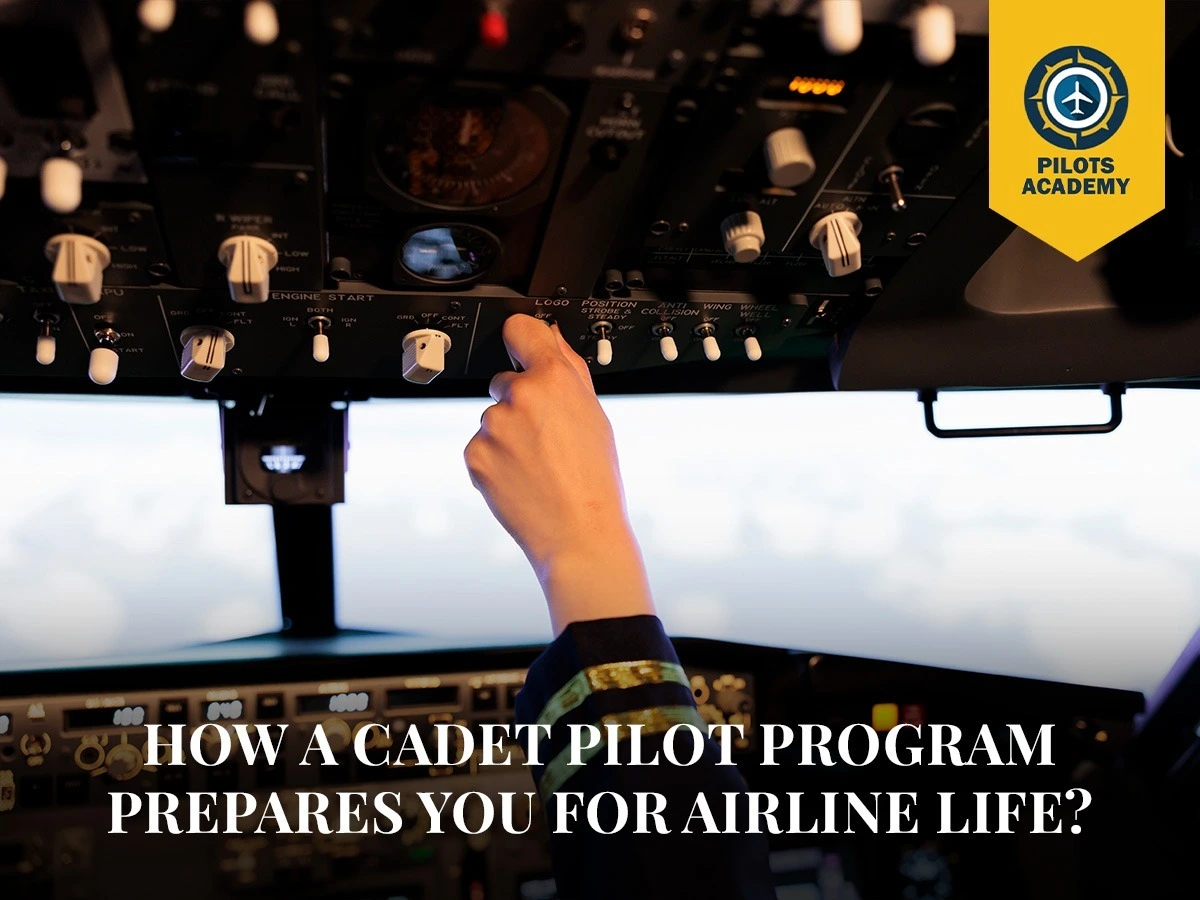
For aspiring aviators, stepping into the cockpit of a commercial jet is the ultimate dream. But getting there isn’t just about learning to fly, it’s about understanding the rhythm, demands, and responsibilities of airline operations. This is where a cadet pilot program plays a game-changing role.
Unlike traditional pilot training, a cadet pilot programme in India is designed in close collaboration with airlines, offering a clear pathway from training to employment. It blends rigorous flight training with operational and cultural immersion into airline life, ensuring that graduates are not only skilled pilots but also airline-ready professionals.
Understanding the Cadet Pilot Program
A cadet pilot program is a structured training pathway offered in partnership between a flight training organization and an airline. Candidates undergo ground school, simulator training, and in-aircraft flying hours, while also learning about airline-specific procedures, crew resource management, and safety protocols.
In a cadet pilot programme in India, students are handpicked through a competitive selection process that includes aptitude tests, interviews, and medical evaluations. Once selected, cadets follow a customized curriculum that aligns with the operating standards of the airline they will join after graduation.
This means that instead of just earning a pilot’s license, cadets graduate with the skills, discipline, and confidence to step directly into the role of a First Officer.
Immersion Into Airline Culture
One of the biggest advantages of a cadet pilot program is that it teaches you to think, act, and operate like an airline pilot from day one.
Cadets are trained on:
- Standard Operating Procedures (SOPs) of the partner airline.
- Crew Resource Management (CRM) for smooth communication and teamwork in the cockpit.
- Operational decision-making to handle weather changes, air traffic delays, and in-flight emergencies.
This kind of cultural immersion is rare in traditional flight schools but is standard in cadet programs in India, giving graduates an edge when they join their airline.
Building the Right Skills for Airline Life
Flying for an airline is more than just stick-and-rudder skills—it’s about maintaining professionalism under pressure, managing complex systems, and working as part of a team. A cadet pilot programme in India focuses on these key skills:
-
Technical Expertise
Cadets are trained on advanced simulators that replicate airline aircraft, often including the exact type they will fly after graduation. This allows them to become familiar with complex avionics, automated flight systems, and real-world airline scenarios.
-
Communication Mastery
Clear, concise communication with air traffic control, cabin crew, and fellow pilots is essential. The program reinforces standard aviation phraseology and situational awareness to ensure cadets are confident communicators.
-
Decision-Making Under Pressure
Airline pilots face unexpected challenges—from sudden weather changes to technical malfunctions. Cadet programs in India use scenario-based training to prepare cadets for quick, effective decision-making while prioritizing safety.
-
Adapting to Schedules and Routines
Airline life often means irregular schedules, long-haul flights, and multiple time zones. The cadet pilot program helps students understand these lifestyle demands and prepares them mentally and physically for the transition.
Advantage of Airline Partnership
The direct link between the training organization and the airline in a cadet pilot programme in India offers benefits beyond the classroom:
- Guaranteed job placement (subject to performance and training completion).
- Consistent training quality that aligns with airline operational standards.
- Mentorship from experienced airline captains and instructors.
This partnership ensures that from the very first day of training, cadets are learning exactly what their future employer expects.
Real-World Exposure
Many cadet pilot programs include observational flights, where cadets can sit in the jump seat of actual airline flights to watch the crew in action. This real-world exposure helps them understand operational flow, cockpit coordination, and how airline crews manage long-duty periods.
Additionally, airline-specific simulator sessions give cadets hands-on experience handling everything from engine failures to crosswind landings—scenarios they might not encounter often in standard training.
Life After Graduation
Graduating from a cadet pilot programme in India means stepping directly into the right-hand seat of a commercial aircraft as a First Officer. Since the airline has been part of the cadet’s training journey, the transition is smoother, with minimal additional training required.
Cadets already know the airline’s procedures, aircraft type, and operational style, allowing them to focus entirely on flying safely and efficiently. This readiness often translates to better performance reviews and faster career progression.
Why Choose a Cadet Pilot Program Over Traditional Training?
While traditional training routes are still valid, the structured nature of cadet programs in India offers significant advantages:
- Faster transition from graduation to employment.
- Lower risk of being unemployed after obtaining a license.
- Training tailored to a specific airline’s operations.
- Professional grooming to handle airline responsibilities from day one.
This focused approach is why so many aspiring aviators now prefer the cadet pilot program pathway.
Preparing for the Selection Process
The entry process for a cadet pilot programme in India is competitive and multi-staged, typically including:
- Aptitude tests for hand-eye coordination and spatial awareness.
- Psychometric evaluations for problem-solving and decision-making.
- Technical assessments covering basic aviation knowledge.
- Medical clearance to meet DGCA Class 1 standards.
How Pilots Academy Can Help You?
At Pilots Academy, we specialize in preparing students for the challenges and opportunities of airline life. Our cadet pilot program training modules are designed in collaboration with industry experts, ensuring you gain the skills, confidence, and professionalism that airlines look for. From selection prep to simulator training, we guide you every step of the way, helping you turn your aviation dream into a career reality.
To Sum Up
A cadet pilot programme in India is more than a training course—it’s a career launchpad. By combining technical flight skills, operational training, and airline culture immersion, it creates pilots who are ready to step into the high-pressure world of commercial aviation with confidence.
If your dream is to fly for a leading airline, this program offers a clear, direct, and efficient path to get there.
FAQs
1. Are Cadet Programs in India suitable for beginners?
Yes, cadet programs in India are open to beginners, as long as they meet the eligibility requirements set by the airline and training partner.
2. Is it worth joining cadet programs in India for a career in aviation?
Yes. For aspiring pilots, cadet programs offer a direct route to airline employment.
3. How can I prepare for a cadet pilot program selection?
Preparation for a cadet pilot program involves strengthening aviation knowledge, improving aptitude and psychometric skills, and ensuring you meet Class 1 medical standards.
4. Can international students join a cadet pilot programme in India?
Yes, international students can apply for a cadet pilot programme in India, provided they meet eligibility criteria, visa requirements, and DGCA licensing regulations.
5. Does a cadet pilot program include type rating?
Yes. Most cadet pilot programs include type rating for the specific aircraft you’ll fly with the partner airline, such as Airbus A320 or Boeing 737.