

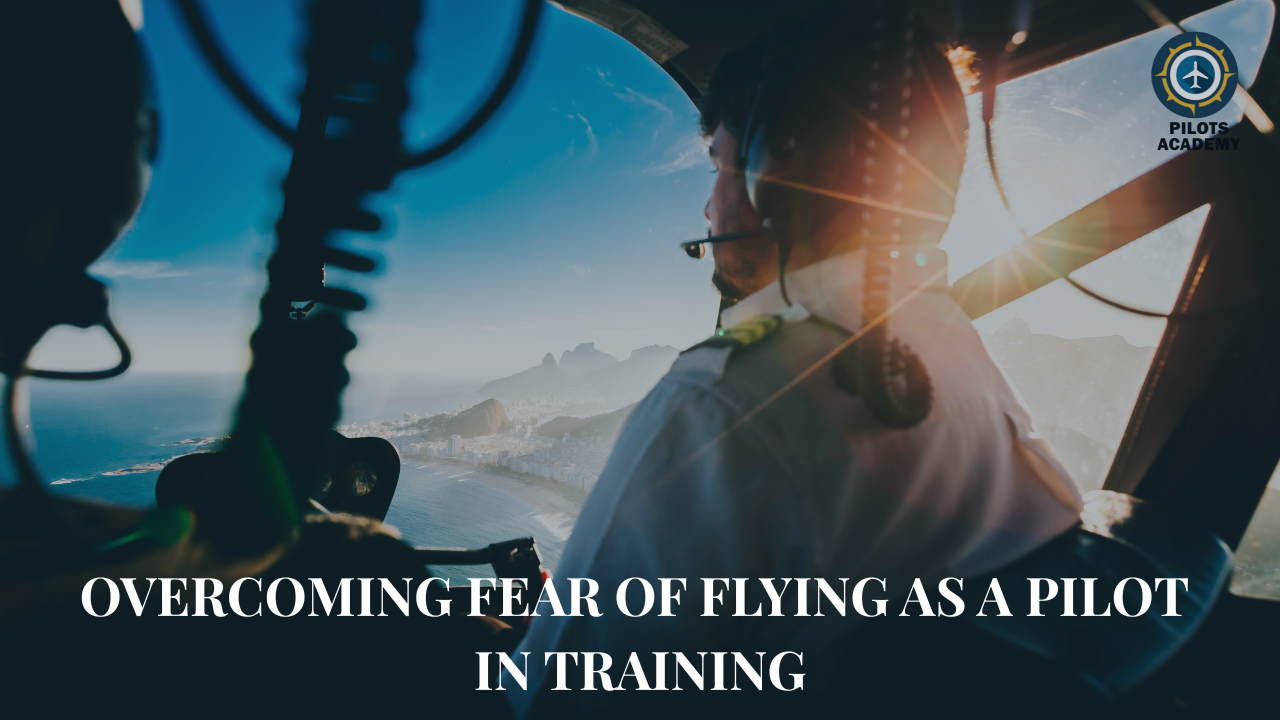
You’ve wanted to fly for as long as you can remember. The idea of controlling an aircraft, navigating through clouds, and feeling the freedom of flight has driven you to enroll in ground school and start your journey toward becoming a pilot. But now that you’re actually sitting in the cockpit, something unexpected happens. Your hands are sweating. Your heart is racing. The reality of being responsible for this machine suddenly feels overwhelming. If this sounds familiar, take a deep breath because you’re not alone.
Experiencing fear of flying pilot training is incredibly common, even among people who have dreamed about aviation their entire lives. The transition from learning about flying in a classroom to actually controlling an aircraft thousands of feet above the ground triggers very real anxiety for many student pilots. This isn’t a sign that you’ve chosen the wrong path or that you’re not cut out for this. It’s simply your brain responding to a completely new, high-stakes situation. The good news? These fears are manageable, and with the right strategies, you can build the confidence needed to become the pilot you’ve always envisioned yourself being.
Why Fear of Flying Pilot Training Is Completely Normal
Let’s address the elephant in the cockpit right away. Feeling nervous during flight training doesn’t make you weak or unsuitable for aviation. In fact, many professional pilots who now confidently fly heavy aircraft started out with sweaty palms and racing hearts during their early lessons.
The psychological shift from being a passenger to becoming pilot-in-command is massive. As a passenger, you trust someone else with your safety. As a student pilot, you’re suddenly the one making decisions, managing controls, and processing an enormous amount of new information simultaneously. Your brain recognizes this as a significant responsibility, and anxiety is simply its way of telling you to pay attention.
What separates healthy caution from debilitating fear is how you respond to these feelings. A certain level of nervousness actually keeps you alert and focused. The key is learning to channel that energy productively rather than letting it paralyze you. Ground school gives you knowledge, but it doesn’t fully prepare you for the emotional reality of your first few flights, and that’s perfectly okay.
Common Fears Student Pilots Face During Training
Understanding what scares you is the first step toward overcoming it. Most student pilots experience some combination of these common anxieties:
Solo flight jitters top the list for many trainees. The thought of being alone in the aircraft without your instructor’s reassuring presence can feel terrifying. What if something goes wrong and there’s no one there to help?
Stall and spin anxiety is another big one. Even though you learn in ground school that stalls are controlled maneuvers, the idea of the aircraft suddenly dropping can trigger real fear. The gap between understanding something intellectually and trusting yourself to handle it physically is where pilot training anxiety often lives.
Takeoff and landing nervousness makes sense because these are the most critical phases of flight. You’re closest to the ground, making quick decisions, and there’s less room for error. Many student pilots feel their stress levels spike during these moments.
Weather-related concerns also weigh heavily on trainees. Interpreting METARs and TAFs is one thing; actually deciding whether conditions are safe enough to fly is another. The responsibility of making go or no-go decisions can feel overwhelming when you’re still learning.
Understanding the Root Causes of Pilot Training Anxiety
Fear of flying pilot training usually stems from a combination of factors. Lack of familiarity is the biggest culprit. You’re learning an entirely new skill set that involves spatial awareness, multitasking, and technical knowledge all at once. Unlike driving a car, which most people gradually learn in familiar environments, flying happens in three dimensions with constantly changing variables.
Information overload during early training stages compounds the anxiety. You’re trying to remember radio calls, monitor instruments, maintain altitude, watch for traffic, and listen to your instructor simultaneously. It’s a lot, and feeling overwhelmed is a natural response.
Comparison anxiety creeps in when you watch other students progress faster or seem more confident. Remember that everyone learns at their own pace, and the student who solos first isn’t necessarily going to be the better pilot in the long run.
Sometimes previous experiences shape our fears. Maybe you experienced turbulence as a passenger that scared you, or you’ve seen too many sensationalized accident reports in the media. These create mental associations that you’ll need to actively work through.
Proven Mental Strategies to Overcome Flying Fears
The mind is powerful, and learning to manage your thoughts can dramatically reduce pilot training anxiety. Visualization techniques work remarkably well for student pilots. Before each lesson, spend 10 minutes mentally rehearsing the flight from start to finish. Picture yourself calmly handling each phase, making smooth control inputs, and successfully completing maneuvers.
Breathing exercises help manage the physical symptoms of anxiety. When you feel your heart racing or your breathing becoming shallow, practice the 4-7-8 technique: inhale for four counts, hold for seven, exhale for eight. This activates your parasympathetic nervous system and helps you regain calm.
Positive self-talk makes a real difference. Replace “I can’t do this” with “I’m learning this” or “This is challenging, and I’m working through it.” The words you use internally shape your confidence levels.
Breaking down each flight into smaller phases prevents you from feeling overwhelmed by the big picture. Instead of worrying about the entire flight, focus only on the current phase. During taxi, think only about taxiing. During takeoff, focus only on that. This keeps you present and reduces anticipatory anxiety.
Practical Flight Training Tips for Building Confidence
Communication with your flight instructor is absolutely critical. If you’re feeling anxious about specific maneuvers or situations, say so. A good instructor will adjust their teaching approach, offer additional explanations, and give you extra practice time on whatever makes you nervous. You’re not bothering them by being honest about your concerns; you’re actually making their job easier because they can tailor the instruction to your needs.
Chair flying at home provides risk-free practice. Sit in a chair, close your eyes, and talk yourself through every procedure as if you’re actually in the aircraft. Move your hands and feet as you would on the controls. This builds muscle memory and confidence without any pressure.
Start your flights in perfect weather conditions whenever possible. As you build confidence, gradually expose yourself to more challenging situations. There’s no shame in choosing calm days for practice when you’re still developing your skills.
Keep a flight training journal where you note what went well, what you struggled with, and how you felt. Looking back at this journal weeks later will show you just how much you’ve progressed, which is incredibly motivating during moments of doubt.
The Role Your Flight Instructor Plays in Managing Fear
Your relationship with your flight instructor directly impacts your ability to overcome fear of flying pilot training. A skilled instructor does more than teach you how to fly; they help you build confidence and work through anxiety.
Don’t be afraid to advocate for yourself. If you need concepts explained differently, if you want to practice a maneuver additional times, or if you’re feeling rushed, speak up. Professional instructors appreciate students who communicate their needs clearly.
Sometimes, despite everyone’s best efforts, the instructor-student dynamic just doesn’t click. If you consistently feel dismissed, rushed, or uncomfortable, it might be worth exploring whether a different instructor or teaching style would work better for you. This isn’t a failure on anyone’s part; it’s simply recognizing that learning happens best when there’s mutual respect and understanding.
After each flight, take time to debrief not just the technical aspects but also the emotional experience. Processing how you felt and discussing any scary moments helps prevent those fears from building up over time.
Physical Preparation and the Mind-Body Connection
Your physical state directly affects your mental state, especially when dealing with pilot training anxiety. Sleep is non-negotiable. Flying while exhausted amplifies every anxious thought and makes it harder to process information. Aim for at least seven to eight hours the night before a lesson.
What you eat before flying matters more than you might think. Low blood sugar can mimic anxiety symptoms, racing heart, shakiness, difficulty concentrating, so eat a balanced meal a couple hours before your lesson. Avoid showing up on an empty stomach or after consuming only coffee.
Speaking of caffeine, be mindful of your intake. While a small amount can help with alertness, too much intensifies nervousness. If you’re already feeling anxious, that extra espresso might push you over the edge.
Staying hydrated is essential because dehydration increases anxiety symptoms and impairs cognitive function. Bring a water bottle and drink regularly, especially during longer lessons.
When Fear Becomes a Serious Concern
While nervousness during flight training is normal, sometimes anxiety becomes severe enough that it impairs your learning or safety. If you find yourself having panic attacks, losing sleep for days before lessons, or avoiding flights altogether, it’s time to seek additional support.
Aviation medical examiners and aviation psychologists specialize in helping pilots work through these challenges. Reaching out for help isn’t admitting defeat; it’s demonstrating the maturity and self-awareness that makes someone a good pilot. The aviation community has resources specifically designed to support pilots dealing with anxiety, and using them shows strength, not weakness.
Many successful commercial pilots worked through significant anxiety during their training. The difference between them and people who quit is that they recognized when they needed help and took steps to address it. Some of the safest, most competent pilots flying today started out terrified. They simply refused to let fear make their decisions for them.
Building Long-Term Confidence Beyond Initial Training
Here’s the truth that every experienced pilot will tell you: fear of flying pilot training naturally decreases with experience. Your first solo will probably be nerve-wracking. Your tenth solo will feel routine. By the time you’re working on your commercial license, you’ll look back and hardly recognize that anxious student pilot you once were.
The key is adopting a student pilot mindset that extends throughout your entire aviation career. Every pilot, regardless of experience level, occasionally encounters situations that make them nervous. The difference is that experienced pilots have a larger toolkit of skills and coping strategies to draw from.
Joining pilot communities, whether online forums or local flying clubs, provides perspective and support. Hearing other pilots’ stories about their training experiences normalizes your own struggles and reminds you that everyone started exactly where you are now.
Celebrate your milestones genuinely. Your first solo flight, your first cross-country, passing your checkride, these are significant achievements worth acknowledging. Each one proves that you’re capable of more than you thought possible.
Remember that the anxiety you’re experiencing now will actually make you a better pilot in the long run. It teaches you respect for the aircraft and the responsibility you carry. It makes you cautious in healthy ways. Pilots who have worked through fear tend to be more empathetic instructors, safer decision-makers, and more aware of their limitations.
Your Journey Starts Here
Working through fear of flying pilot training is part of your journey toward becoming a pilot, not a detour from it. Every challenge you overcome in the cockpit builds not just your flying skills but also your resilience, problem-solving abilities, and self-confidence. These qualities serve you well both in aviation and in life.
At Pilots Academy, we understand that learning to fly involves much more than memorizing procedures and practicing maneuvers. We’re committed to supporting the whole person, including the emotional and psychological aspects of flight training. Our instructors are trained to recognize when students are struggling with anxiety and have strategies to help you work through it.
Whether you’re just starting ground school or you’re already working on your solo flight, remember that you’re not expected to have everything figured out. Questions, concerns, and yes, even fears are welcome here. We’ve seen countless students transform from nervous beginners into confident pilots, and we’re here to support you through that same transformation.
The sky is waiting for you. Your dreams of flight are valid and achievable. Take it one lesson at a time, celebrate your progress, and trust the process. You’ve got this, and we’ve got you.
Ready to begin your pilot training journey with an academy that prioritizes your success and wellbeing? Explore our flight training programs and discover how Pilots Academy can help you achieve your aviation goals with confidence.Retry
Frequently Asked Questions
Is it normal to be scared on your first flight lesson?
Absolutely. Nearly every student pilot experiences nervousness during their first few lessons. You’re learning to control a complex machine in an unfamiliar environment. The fear typically decreases significantly after three to five lessons as you become more comfortable with the aircraft and procedures.
How do I stop being nervous before flying lessons?
Preparation is your best tool. Chair fly the lesson at home, review procedures, ensure you’re well-rested and fed, and practice breathing exercises. Communicate your nervousness to your instructor so they can adjust their teaching approach. Remember that some nervousness actually helps you stay alert and focused.
Can someone with anxiety become a pilot?
Yes. Many pilots manage anxiety successfully and have long, safe careers in aviation. The key is developing healthy coping strategies and, if necessary, working with aviation medical professionals. What matters is that your anxiety is managed well enough that it doesn’t impair your decision-making or safety during flight.
What percentage of student pilots quit due to fear?
While exact statistics vary, fear and anxiety contribute to a portion of the estimated 70-80% of student pilots who don’t complete their training. However, many who quit for fear-related reasons later regret it. With proper support and strategies, most fear-related challenges can be overcome.
How long does it take to feel confident as a student pilot?
Most student pilots start feeling noticeably more confident around the 15-25 hour mark, though this varies widely. Confidence typically increases significantly after solo flight and continues building with each new skill mastered. By the time you reach 50-60 hours, most pilots feel relatively comfortable with basic flying tasks.
Should I tell my instructor I’m scared?
Definitely. Hiding your fear from your instructor makes their job harder and your learning less effective. Good instructors have extensive experience helping nervous students and can adjust their teaching methods accordingly. Honesty about your concerns allows them to provide better support.
What if I’m too scared to solo?
If you’re approaching solo but feel unprepared, talk to your instructor. You might need a few more dual lessons to build confidence. There’s no set timeline for when you must solo. Some students are ready at 10 hours; others need 20. What matters is that you’re genuinely prepared, not that you meet some arbitrary schedule.