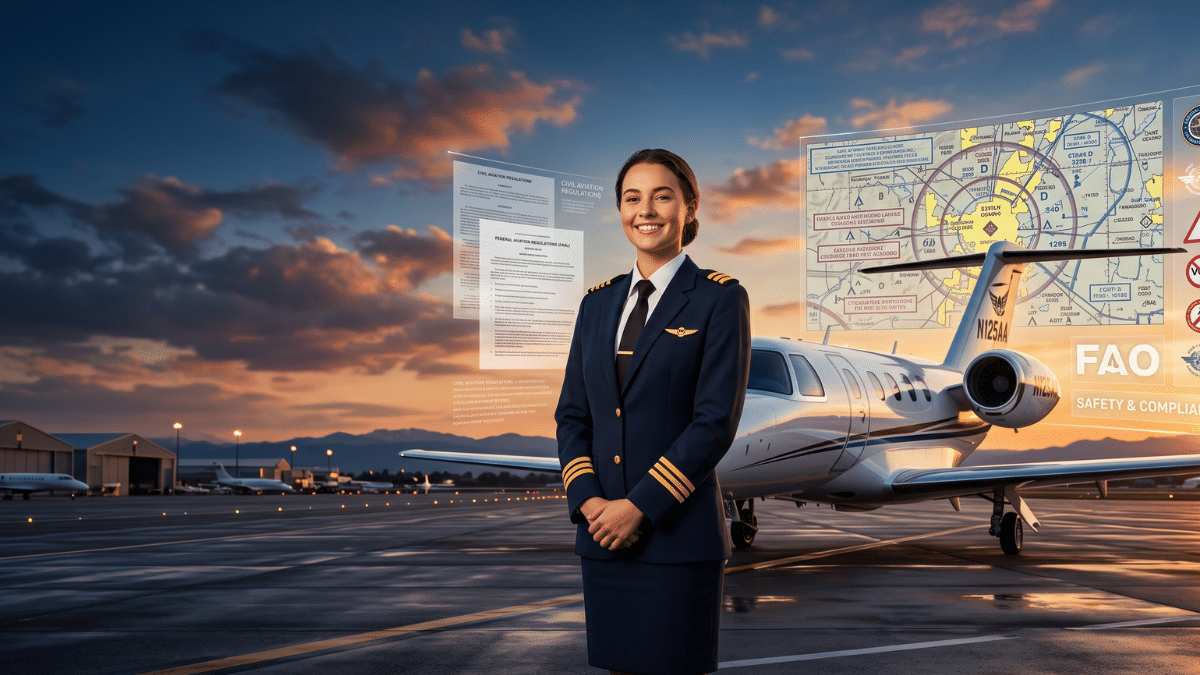

Many students think flying skills alone define a good pilot. This is not true. Flying begins long before the first takeoff. It starts in a classroom. Strong ground classes shape how safely and confidently a pilot flies. This is why pilot training is never complete without solid theory knowledge.
Ground classes are not just about passing exams. They build thinking habits. They teach judgment. They explain why an aircraft behaves the way it does. Without this base, flying becomes guesswork rather than skill.
Ground Classes: Backbone of a Pilot Course
Every pilot course is designed around core subjects. These include:
- Air Navigation
- Meteorology
- Air Regulations
- Aircraft Technical Knowledge
When students understand these subjects, flying feels logical. When they do not, flying feels stressful. Strong ground classes turn complex cockpit moments into calm actions.
This is why professional pilot training always gives weight to theory.
Why Complete DGCA Ground Classes Before Flying?
Builds strong fundamentals
DGCA ground classes form the base of all flying skills. When you understand aerodynamics, aircraft systems, navigation, and weather on the ground, flying stops feeling mechanical and starts making sense. Every control input has a reason behind it.
Improves flight training efficiency
Students who begin flying with clear theory absorb instructions faster. Instructors spend less time correcting basics and more time refining skills. This leads to smoother lessons and steady progress in the cockpit.
Enhances safety and decision-making
Ground subjects train your thinking, not just your memory. Air Regulations, Meteorology, and Navigation prepare you to judge situations, manage risks, and make timely decisions when conditions change in flight.
Reduces training delays and costs
Weak theory often leads to repeated flying hours due to confusion or hesitation. Strong ground knowledge helps you avoid costly delays by allowing you to perform tasks correctly the first time.
Creates confident pilots
Flying confidence comes from understanding, not shortcuts. DGCA ground classes shape disciplined, aware pilots who can handle responsibility, not just clear exams and log hours.
How Ground Classes Prepare You for DGCA Exams?
DGCA exams are known for testing understanding, not just memory. Strong ground classes prepare students to face these exams with confidence.
Ground classes explain concepts in a step-by-step way. Navigation is not taught as formulas alone. It is taught as real-world planning. Meteorology is not about definitions only. It explains how weather impacts flight safety. Air Regulations are not rules to memorize. They explain discipline and responsibility.
When pilot training focuses on understanding, exams become easier to manage. Students stop asking, “Will this come in the exam?” and start asking, “Why does this matter in flight?” This shift improves both results and learning quality.
A well-designed pilot course aligns theory lessons with DGCA requirements. This alignment reduces confusion and avoids last-minute panic. Exams become a checkpoint, not a barrier.
What Skills Do You Learn in Ground Classes?
One major advantage of strong ground classes is the practical mindset they build. Pilot training is not theoretical in isolation. Ground learning teaches you how to think like pilots.
Students learn flight planning, fuel calculation, weather interpretation, and decision-making. These are not abstract ideas. They are daily tasks in real flying. A good pilot course trains you to apply theory, not just recall it.
Ground classes also teach error management. You will learn what can go wrong and how to respond. This prepares you for real-life situations in training and beyond.
Ground Classes Reduce Training Delays
Many students face delays during pilot training because of weak fundamentals. When theory is unclear, flying lessons take longer. Instructors must spend extra time explaining basics in the cockpit.
Strong ground classes reduce this problem. Students progress faster because they understand instructions quickly. This saves time, effort, and money over the course of a pilot course.
When you know what to expect in each lesson, you use flight hours more effectively. This efficiency is one of the biggest advantages of solid ground preparation.
Common Mistakes to Avoid
One common mistake is treating ground classes as a hurdle to cross. When students rush through theory, gaps remain. These gaps surface later during flying or exams.
Pilot training rewards patience and discipline. A pilot course should never be treated as a race. Strong ground learning saves time in the long run.
Students who slow down early often move faster later. This balance is key to sustainable progress.
How Pilots Academy Supports Your Journey?
Pilots Academy believes strong foundations create confident pilots. We focus on clarity, not shortcuts. Our approach strengthens learning at every stage of pilot training.
We offer structured ground classes led by experienced pilots and instructors. Lessons connect theory with real cockpit situations. Students gain understanding, not confusion.
As an academy, we support you beyond exams. Our goal is to guide you through your pilot course with confidence and purpose. With clear teaching and practical insight, we help you move closer to a successful aviation career.