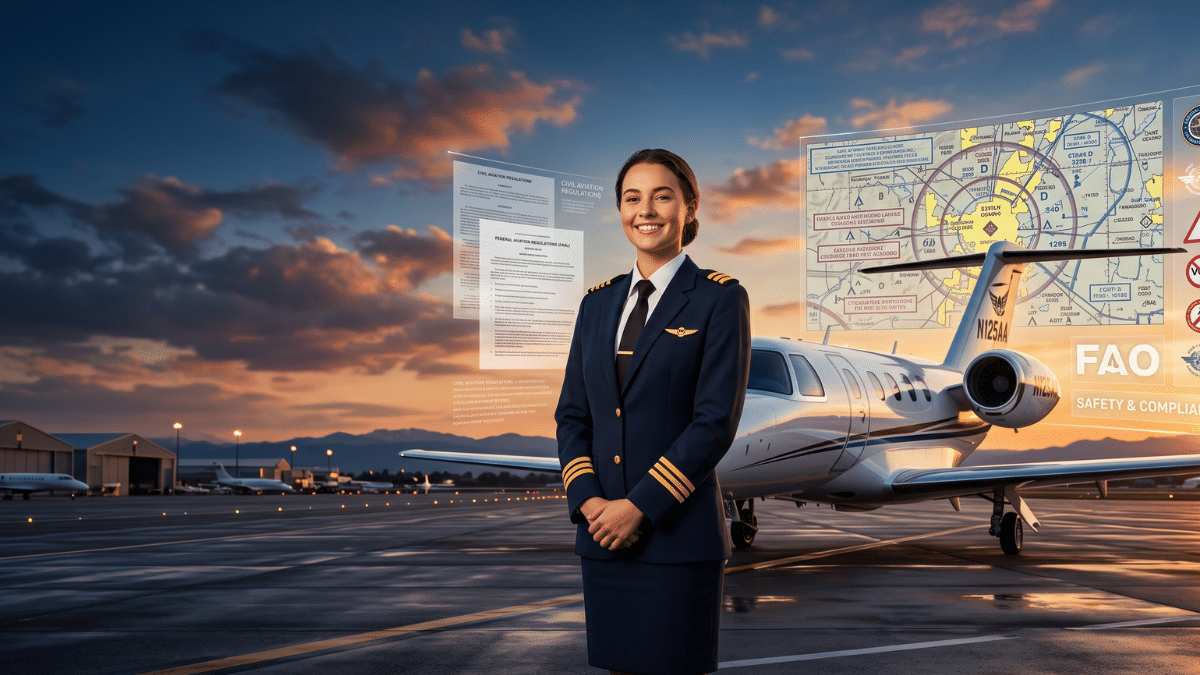
Imagine stepping into the cockpit of a commercial airliner, hearing the hum of the engines, and knowing this time it’s not a simulator — it’s the real thing. Every checklist, every radio call, and every takeoff now carries real-world weight. This is the Line Training Program, the stage where aspiring pilots turn their training into true airline experience and prepare to take command with confidence.
Closer Look at the Line Training Program
A Line Training Program is the final step in a pilot’s journey before becoming a fully qualified airline pilot. It’s where newly licensed commercial pilots transition from simulated environments to real-world airline operations under the supervision of experienced captains. Think of it as the on-the-job training that transforms theory into confident practice.
While simulators replicate countless flight scenarios, they cannot fully recreate the dynamic conditions of an actual flight — unpredictable weather, varying passenger loads, and real-time decision-making. That’s why the Line Training Program is crucial. It helps pilots apply their training in real operational settings, ensuring they’re fully prepared for solo command in the future.
What Happens During Line Training?
During the Line Training Program, pilots operate scheduled commercial flights with an airline, guided by a Training Captain or Line Instructor Pilot. Each flight offers hands-on experience — from pre-flight checks and air traffic communication to managing passengers and handling in-flight challenges.
Trainees learn how to operate in busy airspaces, follow standard operating procedures, and adapt to different airports and weather conditions. Every decision, big or small, is evaluated by the supervising captain to ensure the trainee meets airline standards.
A typical Line Training phase includes:
- Observation Flights – The pilot shadows an experienced crew to understand the airline’s procedures.
- Supervised Flying Hours – The trainee pilot operates under the guidance of a captain, managing takeoffs, climbs, cruise, and landings.
- Route Familiarization – Exposure to different routes, terrains, and airspaces to build adaptability.
- Line Check – The final assessment where a check pilot evaluates overall performance and readiness.
From Simulator to Sky: The Real Transition
Before starting the Line Training Program, pilots undergo extensive simulator training. Simulators allow them to practice emergency procedures, engine failures, and complex weather scenarios without real-world risks. However, simulators have limitations — they can’t replicate real passengers, operational delays, or the stress of actual decision-making in the air.
That’s where line training comes in. It takes pilots from a controlled, predictable simulator environment to real airline operations where no two flights are ever the same. Pilots learn how to handle communication with cabin crew, coordinate with ground staff, and manage passenger expectations — skills that go far beyond technical flying.
Importance of Line Training in a Pilot’s Career
A Line Training Program is not just a requirement — it’s a career-defining experience. It helps pilots develop the confidence, discipline, and adaptability needed to operate commercial flights safely and efficiently.
Here’s why it’s indispensable:
- Real Experience with Airline Procedures: Pilots learn how to integrate seamlessly into an airline’s operational culture.
- Improved Decision-Making: Handling live situations enhances situational awareness and response time.
- Confidence in Multicrew Environments: Working with captains, cabin crew, and dispatch teams builds essential communication skills.
- Higher Employability: Airlines prefer candidates who have completed a structured Line Training Program, as they require minimal transition time.
By the end of this program, a pilot isn’t just skilled — they are industry-ready. They can adapt to global aviation standards, which is why Line Training Programs in India are now gaining international attention.
Growing Demand for Line Training Programs in India
Over the past decade, Line Training Programs in India have evolved rapidly, reflecting the country’s expanding aviation industry. With more airlines and regional routes opening, the need for trained and ready-to-fly pilots has never been greater.
Indian institutes now collaborate with global aviation partners to provide exposure to both domestic and international flying environments. These programs focus not only on flight hours but also on professionalism, cultural adaptability, and advanced operational training.
Many cadets who complete Line Training Programs in India find themselves eligible for airline interviews worldwide, thanks to the quality and credibility of the training structure.
Challenges Pilots Face During Line Training
While the Line Training Program is an exciting phase, it comes with challenges that test a pilot’s mental and physical endurance. Adapting to irregular schedules, night operations, and new aircraft systems can be overwhelming initially.
Fatigue management becomes crucial, as does maintaining focus during back-to-back flights. Pilots must also develop a deep sense of accountability — every action, from fuel calculation to crew coordination, affects the safety and efficiency of the flight.
However, these challenges are what make line training invaluable. Pilots learn to perform under pressure, stay composed in unpredictable situations, and uphold the highest safety standards — all qualities that define a true professional.
Global Edge of Completing Line Training
One of the biggest advantages of a Line Training Program is the global edge it provides. Pilots who complete it are not only eligible for domestic airline positions but are also recognized by international operators.
Since the program follows standardized airline procedures, graduates can easily adapt to the requirements of major global carriers. This makes Line Training Programs in India a practical stepping stone for those aspiring to fly for international airlines in the future.
Moreover, many airlines view successful completion of line training as proof of both competence and commitment — two traits that define long-term aviation careers.
Tips for Pilots Entering a Line Training Program
If you’re preparing for your Line Training Program, here are some practical tips to help you make the most of it:
- Revisit Your Theory – Brush up on aircraft systems, meteorology, and air law. A strong foundation helps in quick decision-making.
- Be Open to Feedback – Every flight is a learning opportunity. Accept constructive criticism and apply it immediately.
- Focus on Communication – Good communication with your captain and crew ensures smooth flight operations.
- Stay Physically and Mentally Fit – Line training can be demanding, so maintaining health and alertness is vital.
- Log Every Experience – Keep detailed notes of every flight. This reflection helps track growth and improvement.
Remember, line training isn’t just about gaining hours — it’s about becoming a professional who can handle real-world challenges with confidence.
Pilots Academy Prepares You for What’s Next
At Pilots Academy, your journey doesn’t end with earning a CPL — it evolves into a professional career path through our advanced Line Training Program. Our structured training modules, experienced instructors, and tie-ups with reputed airlines help bridge the gap between simulator-based learning and real commercial flying.
Whether you are looking to gain international exposure or begin your airline journey in India, Pilots Academy ensures that every cadet graduates with the confidence, skill, and global readiness to fly anywhere in the world.